

Aviator on X666 displays more information than most players pay attention to. Every round generates data — crash points, live multipliers from other players, session history — and that data is visible on screen throughout every session. Most players ignore it entirely or misread it in ways that hurt their results. This guide covers what the data in Aviator actually tells you, what it does not tell you, and how to use it to make more informed decisions without falling into the trap of over-analyzing numbers that cannot predict the future.
What Data Aviator Shows You During Every Session
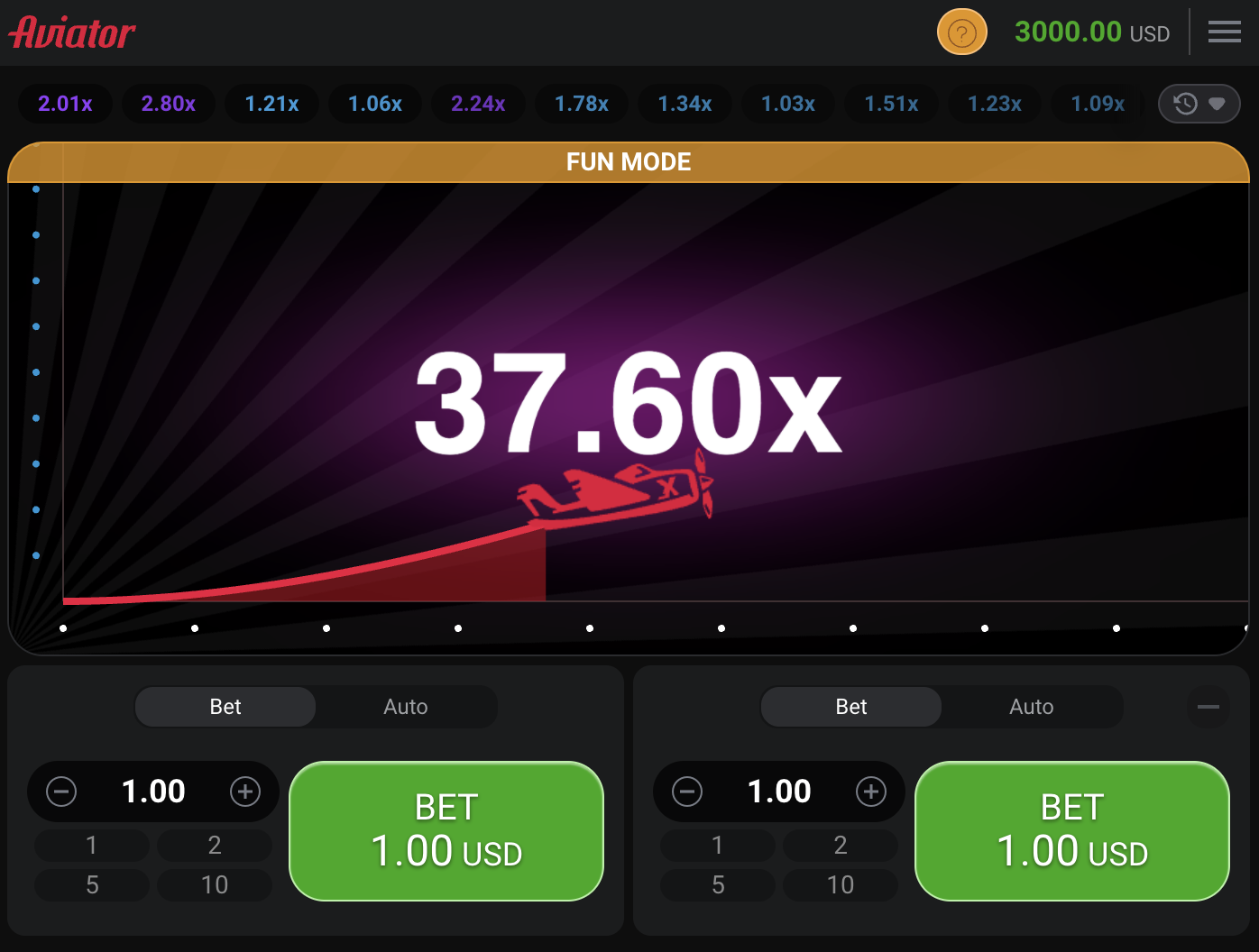
The Aviator interface on X666 displays three distinct data streams simultaneously during each session. Understanding what each one represents is the foundation of using them correctly.
Crash History appears as a sequence of recent round results showing the multiplier at which the plane crashed. This list updates after every round and typically displays the last 20 to 50 results depending on your screen layout. The numbers are real — they reflect exactly what happened in recent rounds. What they do not reflect is any pattern, tendency, or predictive signal about what the next round will produce.
Live Player Multipliers show the cash out points of other active players in real time during each round. You can see when other players exit and at what multiplier they collect. This information feels significant because it comes from real human decisions — but its predictive value is limited for the same reason crash history is limited. Other players’ exit decisions reflect their own strategies and risk tolerances, not information about where the crash point will fall.
Your Own Session History is accessible through the account dashboard on x66666.net and shows your personal results across previous sessions. This is the most genuinely useful data stream of the three because it reflects your own behavior rather than random outcomes.
How to Read Crash History Without Misreading It
Crash history is the data point most frequently misread by Aviator players on X666. Two specific misreading patterns are worth understanding because they lead directly to poor decisions.
The Gambler’s Fallacy is the belief that a sequence of low crash points makes a high crash point more likely on the next round. If the last five rounds crashed below 2x, it feels like a big multiplier is overdue. This feeling is mathematically incorrect. Each round is independently generated and has no memory of previous rounds. A crash at 1.1x does not increase or decrease the probability of any specific outcome on the following round.
Selective Pattern Recognition is the tendency to notice sequences that seem meaningful while ignoring the much larger number of sequences that do not. A run of four consecutive crashes below 1.5x feels significant. The twenty previous rounds with no particular pattern do not register. This selective attention creates false confidence in patterns that do not exist.
What crash history can legitimately tell you is the general distribution of outcomes across a large sample. If you review 200 rounds of your session history on X666 and find that 60% of rounds crashed below 2x, that aligns with the statistical expectations of the game and can inform your auto cash out target. Using 10 recent rounds to draw the same conclusion is not statistically valid.
How to Use Live Player Data Without Following the Crowd
Live player multipliers are visible during every Aviator round on X666. Watching other players cash out creates social pressure that influences your own exit decisions in ways you may not notice until you review your session results afterward.
The Early Exit Cascade happens when several players cash out at low multipliers and you follow because their exits feel like a signal that the crash is coming. It may be — but it may equally be that those players have conservative auto cash out settings that have nothing to do with the current round’s crash point. Following a crowd of auto cash out players tells you about their preset targets, not about the game.
The Late Exit Temptation occurs when you watch multiple players ride a multiplier past your planned exit point and collect at 10x or 15x. The instinct is to hold longer on the next round to replicate their result. This is the mirror image of the gambler’s fallacy — previous outcomes, including other players’ successful exits, carry no predictive information about the next crash point.
The correct use of live player data is narrow: it confirms that the round is still active and other players are still in. Beyond that, treat it as background information rather than decision input.
Building a Data-Informed Session Review Process
Your own session history on X666 is the one data source that genuinely improves your results over time — not because it predicts crash points, but because it reveals patterns in your own behavior.

After every five sessions, review your personal results with these specific questions:
At what multiplier do I most frequently cash out? If your average exit is consistently below 1.5x, your auto cash out target may be too conservative for your bankroll goals. If it is consistently above 3x, you may be holding longer than your stated strategy intends.
How often do I override my planned exit point? If you find yourself cashing out later than planned on winning rounds and earlier than planned on losing rounds — a common pattern — your in-session decision-making is working against your stated strategy. The fix is stricter auto cash out usage rather than willpower.
What is my average session result? Tracking net wins and losses across sessions reveals whether your current approach is sustainable. A pattern of strong individual session wins offset by larger individual losses suggests your bet sizing is too aggressive for your bankroll.
Applying Data Insights to Specific Adjustments
Once you have reviewed your session data, translate your findings into specific, measurable adjustments rather than vague intentions to play better.
If your review shows you consistently exit later than planned, set your auto cash out 0.5x below your intended target. If you intended to exit at 2x but consistently hold to 2.8x before cashing out or crashing, set auto cash out at 1.8x. The slight reduction accounts for your tendency to hold and brings your actual exits closer to your original plan.
If your session results show a pattern of strong starts followed by sharp reversals, your stop-loss discipline needs attention. Set a hard session stop at 40% to 50% loss of your starting balance and close the game when it triggers regardless of how the next round feels.
Conclusion
Aviator on X666 gives you access to real data during every session — crash history, live player activity, and your own performance records. The key is knowing which data is useful and which creates noise. Crash history and live multipliers are informative about the game’s general behavior but carry no predictive value for individual rounds. Your own session history on X666 is the genuinely actionable data source — it reveals behavioral patterns that no amount of crash point analysis ever will. Review it regularly, translate your findings into specific adjustments, and your Aviator results will improve not because you predicted the game better but because you understood yourself better.
